Dr. Ming Wang · AMD Specialist · 17,000+ Patients
"That Dark Spot in Your Vision Isn't Just 'Aging' — And Waiting May Be Riskier Than You Think."
After guiding over 17,000 patients, Dr. Ming Wang explains what may really be happening inside your eye — and why "wait and see" could be accelerating the process.
 Watch What May Really Be Causing It
Recognise the signs
"Does It Feel Like There's a Dark Spot Slowly Eating the Center of Your Vision?"
- "The Blank Spot"Right in the center of what you're trying to see — a face, a word on the page, a street sign — there's a shadow or empty patch that wasn't there a year ago.
- "The Wavy Lines"Straight lines look slightly bent or distorted. Door frames. Text. Tiles on the floor. Your brain tries to compensate but the distortion is getting harder to ignore.
- "The Color Fade"Everything looks duller, darker, less vivid — like the brightness of life has been quietly turned down without your permission.
- "The Night Shrinks"You've already stopped driving after dark. Or you're close to it. And you know what that means for your independence.
- "Still progressing"You've taken the vitamins, made the appointments, followed every instruction — and at your last exam the answer was the same: it's advancing.
"You've been told to just 'monitor it.' That there's nothing else to do but wait. Yet every month the blank spot gets a little larger, the distortion a little worse — and the fear of losing your independence grows louder."
The real problem
Here's Why Your Macular Degeneration Keeps Getting Worse — Even When You're Doing Everything Right
If you've been following your doctor's instructions faithfully — and still watching that blank spot grow — you are not failing. The problem is that everything you've been given to manage AMD never reaches the actual site of damage.
- Stronger glasses compensate for what you've already lost — but they do nothing to slow the oxidative damage destroying your photoreceptor cells right now.
- Prescription eye drops stay on the surface of your eye. They never reach the macula, where AMD is actually happening.
- "Wait and see" means watching while oxidative stress continues unchecked — month after month — while the damage quietly hardens.
- Standard AREDS2 supplements may use forms of nutrients your body can't fully absorb at the doses that actually matter to macular tissue.
- Diet changes alone rarely deliver the concentrated compounds that aging macular cells need to defend themselves against daily oxidative attack.
But here's what changes everything:
Researchers studying populations with unusually stable macular vision well into their 80s found one specific compound — almost completely absent from the modern American diet — that appears to protect the photoreceptor cells inside the macula from the exact oxidative process driving AMD progression.
Dr. Ming Wang has guided over 17,000 patients through this — and what he discovered about why standard approaches fall short is something most ophthalmologists have never had time to explain in a 12-minute appointment.
Where are you now?
Macular Degeneration Follows a Pattern — And Most People Don't Realize How Far It's Already Progressed
AMD advances silently — as daily oxidative stress slowly destroys the photoreceptor cells your central vision depends on. Most people adapt so gradually they don't realize they've already moved from one stage to the next. Take a moment and notice which stage feels most familiar to you right now.
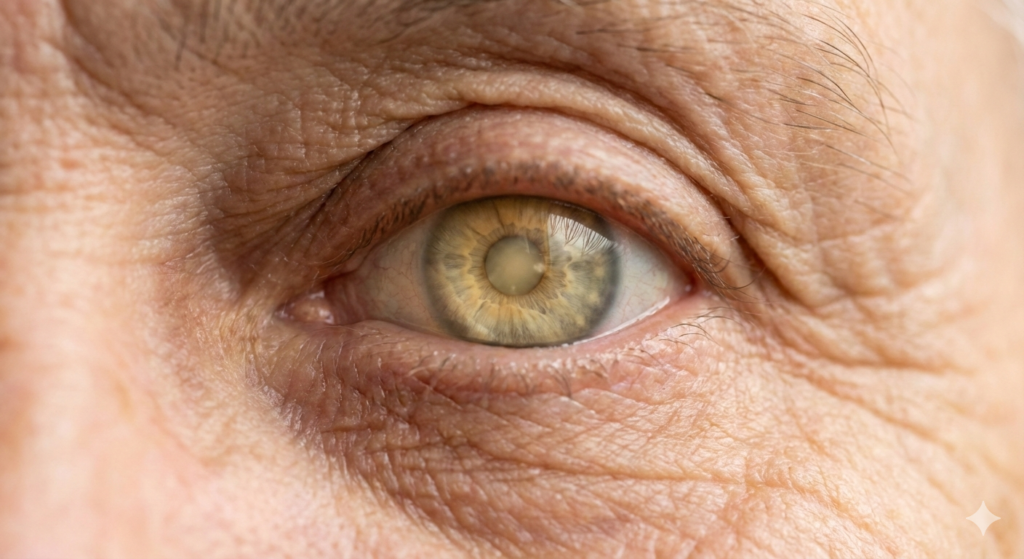
"The Subtle Shift"
Straight lines look very slightly wavy. Reading fine print requires more effort. You need more light. You write it off as tired eyes or aging. This is actually the first sign that oxidative damage has begun accumulating in your macular cells.

"The Growing Shadow"
A blurry or dark spot has appeared in the center of your vision. Faces become harder to make out. Reading requires moving your eyes around the blank area. Most people at this stage are told to simply "monitor it." But the damage is progressing whether or not it's being monitored.

"The Daily Compromise"
Your central vision is now consistently affected. You've changed your prescription multiple times without improvement. Night driving has become dangerous — or you've already stopped. Reading your grandchildren's texts requires a magnifying glass.
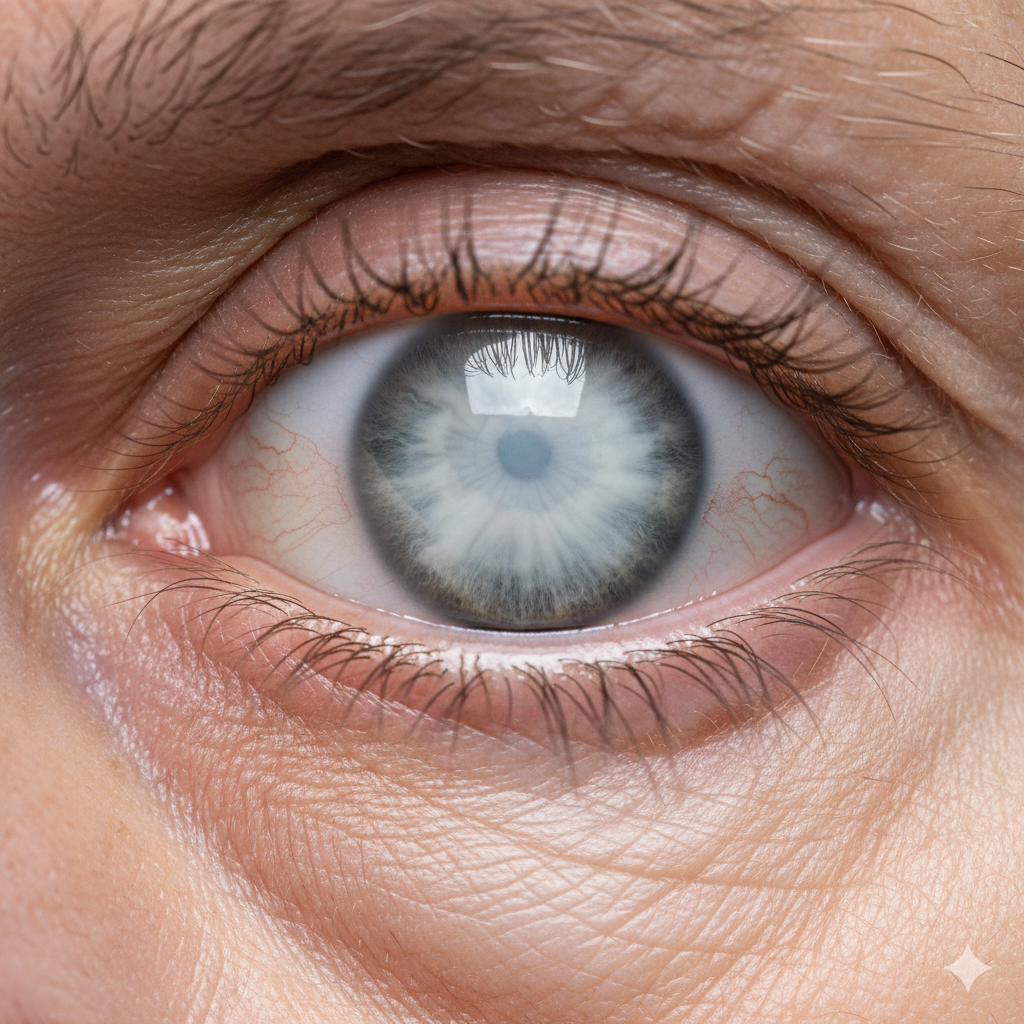
"The Point of No Return"
The damage is now dense enough that your doctor is discussing injections, laser procedures, or anti-VEGF therapy. Your independence — driving yourself, recognizing faces across the dinner table — is now at serious risk.
The longer these stages go unaddressed at the source, the harder it becomes to slow the progression naturally. What matters most right now is understanding what's actually happening beneath the surface of your macula — before the window for intervention gets smaller.
Discover What May Help Before Surgery Becomes NecessaryPatient story
"The AMD Misconception That Almost Cost Me My Independence"

Margaret Collins
AMD Patient · Early 70s
I was told the same thing you've probably heard: that my macular degeneration was just an "unavoidable" part of getting older. That monitoring and injections were the only road ahead.
For years, I made every appointment — every 3 months — and at every single one, the answer was the same: "It's progressing, but slowly." I took the AREDS2 every day without fail — and my central vision kept getting worse anyway.
None of those approaches explained what was actually happening inside my macula. The quiet fear of losing my independence began to take over. I stopped driving at night. Reading my grandchildren's faces across the dinner table felt like looking through a smudged, distorted window.
I refused to believe that waiting was my only option. What I found — the Dr. Wang research — completely changed how I understood what was happening inside my eye. Today, my last scan showed stable pigment density. I can drive myself to church on Sunday mornings. I can see my grandchildren's faces — in crystal-clear detail — for the first time in years.
Common questions
Frequently Asked Questions
Questions people ask when they first learn about macular degeneration progression
If You're Still Being Told to Just "Monitor It" — Watch This First
"This site is not a part of the Google website or Google Inc. Additionally, this site is NOT endorsed by Google in any way."
Watch Dr. Wang's Full Explanation →